Sphynx Cat Care: What the No-Shedding Claim Leaves Out
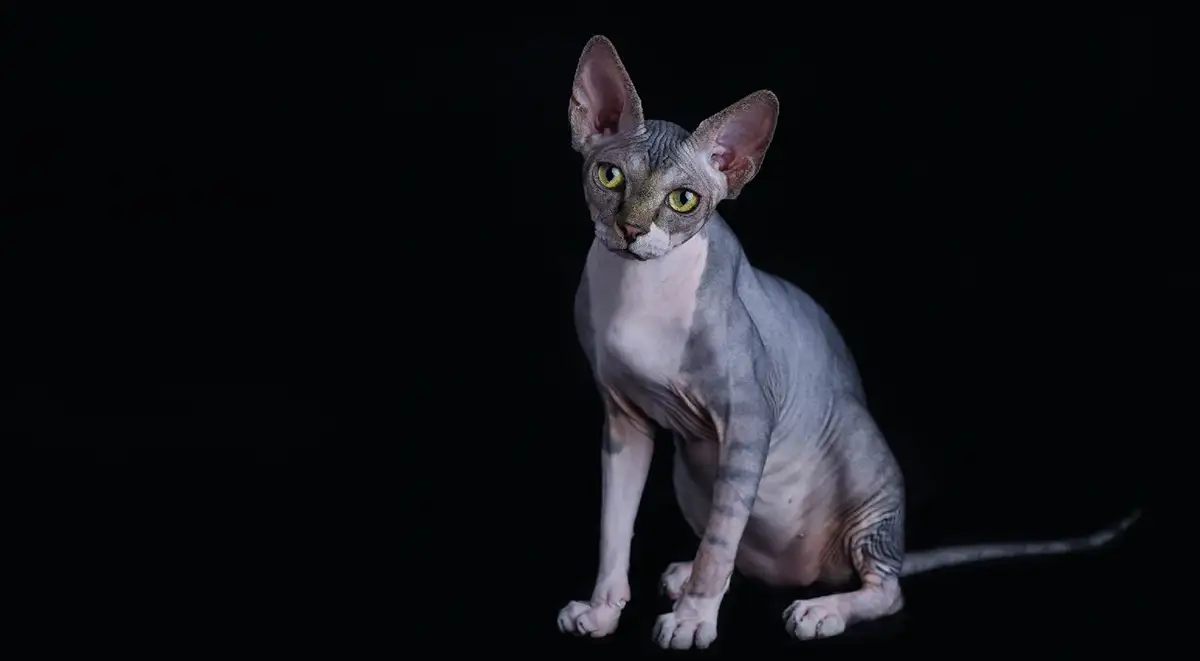
Many people fall into the trap of the misconception that “hairless cats don’t shed and are easy to care for.”
They discover later that the core of Sphynx cat care is not about shedding at all. It is about the various minor hassles hidden beneath their smooth skin.
This article explains the pros and cons of hairless cats and the real challenges of caring for them. It will help you determine whether you are truly suited to raising this unique little feline. I have raised Bella, not a Sphynx; this is a reference-based guide, not my own Sphynx care diary.
Sphynx Cat Skin Care: More Than a Shedding Question
Many people assume that since hairless cats lack fur, they do not require frequent grooming. This is precisely the most critical misconception.
Sphynx cats can have fine down rather than being completely hairless. Skin oils may accumulate and leave marks on fabrics, but the amount and cleaning needs vary. There is no universal one-week deadline for sticky skin. See GCCF’s Sphynx care profile. This is what people often refer to as “leaving an oily trail wherever they go.”
Daily Skin Care Routine
1. Individual bathing needs
Agree a gentle skin-care routine with the vet. Use cat-appropriate products when needed, rinse and dry well, and do not add moisturisers routinely without checking suitability. Redness or persistent irritation needs assessment rather than more washing.
2. Sun protection
Never allow them to be exposed to direct sunlight for extended periods. Without fur to provide protection, their skin is highly susceptible to sunburn. This can cause redness, rashes, or even peeling.
When going out at midday in the summer, be sure to provide adequate physical shade.
3. Ear cleaning
Check the ears regularly. Clean only the accessible outer area as advised by the vet; never insert cotton swabs into the ear canal. Pain, smell or discharge needs veterinary assessment.
Temperature Control: Comfortable Warmth Without Overheating
Hairless cats have the same body temperature as regular cats. But because they lack the natural insulating layer of fur, they lose heat much faster than furry cats. They are extremely sensitive to ambient temperatures.
Winter Care
Cold conditions may be uncomfortable, but 20°C is not a threshold at which a cat catches an infection. Offer:
- A cosy bed and blankets the cat can choose to use
- A comfortable room with space to move away from heat
- Supervised, well-fitting clothing only if the cat tolerates it
Summer Care
Provide shade, fresh water and a comfortable resting place away from direct cold drafts. There is no verified 24–28°C prescription for every Sphynx; watch the individual cat’s comfort and avoid overheating.
Key Difference from Other Cats
Many cat owners who have kept British Shorthairs or American Shorthairs will notice that caring for a hairless cat requires far more attention to temperature control.
When you are out, leave a safe, comfortable environment and arrange appropriate care. A sparse coat needs consideration, but neither automatic round-the-clock heating nor leaving an unsafe open window is a breed-specific care rule.
Health Details: Feeding and Symptoms Need Individual Assessment
I could not verify that Sphynx cats generally have more sensitive digestion than other breeds. Recurrent diarrhea should not be dismissed as normal for the breed.
| Trait | Details |
|---|---|
| Energy needs | Assess portions against weight and body condition; a sparse coat does not set a fixed allowance. |
| Diet tolerance | Individual; introduce food changes gradually. |
| Digestive symptoms | Persistent loose stools need veterinary advice. |
| Health planning | Discuss breed-related cardiac risk and appropriate checks with the vet. |
Feeding Guidelines
When feeding them daily:
- Stick to a consistent schedule
- Choose a complete food for the cat’s life stage
- Introduce necessary diet changes gradually
- Check supplements with the vet rather than adding them routinely
High protein alone does not establish the cause of diarrhea. Homemade raw meat and bones are not automatically a balanced diet. Cats Protection’s feeding guide advises discussing raw feeding with the vet; do not keep changing foods to treat persistent symptoms yourself.
Pros and Cons of Hairless Cats: The Good and The Challenging
Many people wonder whether hairless cats are worth owning. When you lay out the pros and cons, the answer becomes clear:
| Pros | Cons |
|---|---|
| Often described as sociable | Daily interaction and individual skin care still needed |
| Often described as curious and playful | Provide suitable play and resting places |
| May enjoy close contact | Any cat can bite or scratch when uncomfortable |
| May live well with children or other pets | Supervision and gradual introductions matter |
| Very little loose hair | Less protection from sun and cold |
| Fine down can feel soft | Not hypoallergenic: cat allergens are not simply loose fur |
Who Is Suited to Own a Hairless Cat?
Suitable Owners
Someone who can make time for individual skin and ear care, a comfortable indoor environment and regular veterinary care may be well placed to meet a Sphynx’s needs. Before choosing one, ask the rescue or breeder about that cat’s routine and health history.
Questions to Resolve
Check whether you can provide:
- A comfortable indoor space with shade, warmth and somewhere to move away from heat
- Time for the skin and ear care this cat actually needs, plus veterinary help for persistent symptoms
- A care plan for days away from home, rather than leaving food and a warm room as substitutes for a visit
- A budget for routine care and a discussion with a vet about cardiac screening
If allergies are the reason for choosing one, remember that little loose hair does not mean little allergen exposure. This breed profile cannot predict an individual’s response.
Final Thought
The useful question is whether the needs of an individual Sphynx fit your home and routine. Its sparse coat changes some care tasks; it does not make the cat hypoallergenic or predict its health or temperament.